
Kenya is a country in East Africa with coastline on the Indian Ocean. It encompasses Savannah, lake lands, and the dramatic Great Rift Valley and mountain highlands. It’s also home to wildlife like lions, elephants and rhinos.
From Nairobi, the capital city of the country you can start your Kenya safaris visiting the Maasai Mara Reserve, known for its annual wildebeest migrations, and Amboseli National Park, offering views of Tanzania’s 5,895m Mt. Kilimanjaro.
The drama of the Great Migration unfolds each year in the Masai Mara, where spotting members of the Big Five becomes second nature. Away from the well-trodden safari tracks is the remote Laikipia Plateau, where endangered species such as Grevy’s zebra and wild dog roam, and the sun – baked Samburu National Reserve, where elephant cool off in the Ewaso Ng’iro River. A holiday to Kenya also presents the opportunity to learn about local Maasai culture and spend time relaxing on the palm-fringed, white-sand beaches of the country’s long stretch of coastline.
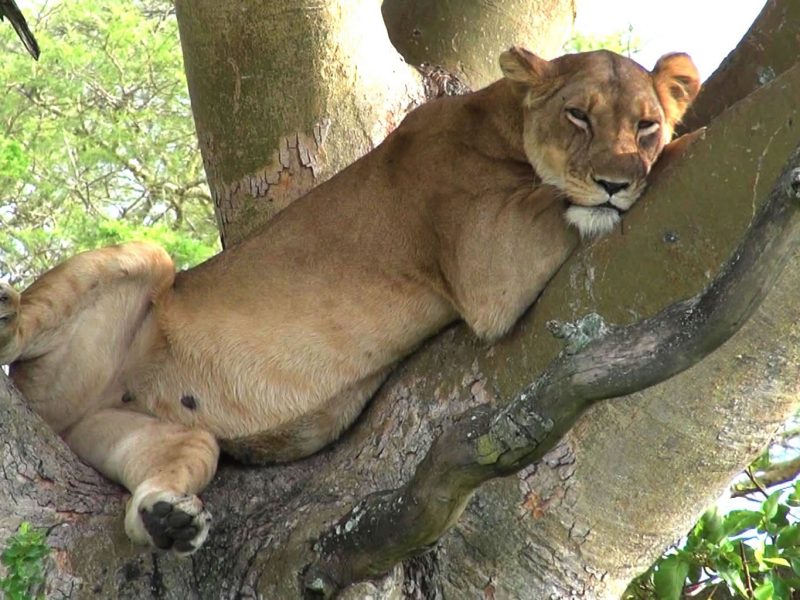
Maasai Mara National Reserve is an area of preserved Savannah wilderness in southwestern Kenya, along the Tanzanian border. Its animals include lions, cheetahs, elephants, zebras and hippos. Wildebeest traverse its plains during their annual migration. The landscape has grassy plains and rolling hills, and is crossed by the Mara and Talek rivers. The area nearby is dotted with villages (enkangs) of Maasai people.
Maasai Mara National Reserve is a year-round destination, although the busiest months are Jun–Aug. The annual wildebeest migration (Jul–Oct) sees herds of the animals crossing the Mara River into the reserve. The drier months (Jan–Feb) tend to mean a better chance of seeing the area’s big cats, including lions and cheetahs.
Nairobi is Kenya’s capital city. In addition to its urban core, the city has Nairobi National Park, a large game reserve known for breeding endangered black rhinos and home to giraffes, zebras and lions. Next to it is a well-regarded elephant orphanage operated by the David Sheldrick Wildlife Trust. Nairobi is also often used as a jumping-off point for safari trips elsewhere in Kenya.
In the city center, towers like the cylindrical KICC, home to the convention center, rise near attractions like the Nairobi National Museum, devoted to Kenyan art, artifacts, wildlife and early hominids. In upscale suburban Langata, the Giraffe Centre sanctuary features a hand-feeding platform. The Karen Blixen Museum, in the “Out of Africa” author’s preserved colonial home, stands on the former farm that’s now an affluent suburb called Karen. The Bomas of Kenya cultural center, with huts representing Kenya’s major ethnic groups, offers a look at traditional tribal life. Tribal arts and crafts are sold at the roving Maasai Market. All these are within the city
Nairobi National Park is the closest park to the capital and one of Kenya’s most successful rhinoceros’ sanctuaries. Your guide takes you on a comprehensive tour of the park’s fauna and flora, explaining the different species that call it home as well as the many migratory herbivores that visit during the dry season.
Discover the abundance of wildlife on the doorsteps of Nairobi on a half-day exploration of Nairobi National Park. See its rhino sanctuary, more than 80 species of mammals, and a prolific bird population.
Drive through the park, accompanied by your proficient guide, as you track the big game. Don’t miss the opportunity to spot lions and identify birds from a hugely diverse population.
Giraffe Centre the top choice wildlife reserve in Nairobi. This Centre, which protects the highly endangered Rothschild’s giraffe, combines serious conservation with enjoyable activities. You can observe, hand-feed or even kiss one of the giraffes from a raised wooden structure, which is quite an experience. You may also spot warthogs snuffling about in the mud, and there’s an interesting self-guided forest walk through the adjacent Gogo River Bird Sanctuary.
Karen Blixen Museum was once the centre piece of a farm at the foot of the Ngong Hills owned by Danish Author Karen and her Swedish Husband, Baron Bror von Blixen Fincke. Located 10km from the city centre, the Museum belongs to a different time period in the history of Kenya. The farm house gained international fame with the release of the movie ‘Out of Africa’ an Oscar winning film based on Karen’s an autobiography by the same title.
The Museum is open to the Public every day from 9:30 am to 6:00pm including weekends and public holidays. Guided tours are available at all times. A museum shop offers handicrafts, posters and postcards, the Movie ‘Out of Africa’, books and other Kenyan souvenirs. The grounds may be rented for wedding receptions, corporate functions and other events.
Nairobi safari walk with its raised wooden boardwalk that allows for uninterrupted views of the animals, the Safari Walk is a show case for Kenya’s Parks and Reserves, allowing visitors to discover what they can expect to see across the country. Visitors can see a sample of the country’s rich animal life including the rare bongo, white rhino and albino zebra as well as big cats, antelopes and primates. It is also home to some 150 species of local trees.
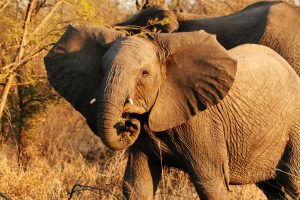
Amboseli National Park is in southern Kenya. It’s known for its large elephant herds and views of immense Mount Kilimanjaro, across the border in Tanzania. Observation Hill offers panoramas of the peak and the park’s plains and swamps. Varied wildlife includes giraffes, zebras, cheetahs and hundreds of bird species. The western section is dominated by vast Lake Amboseli, which is dry outside the rainy season.
Home of the African Elephant” Crowned by Mount Kilimanjaro, Africa’s highest peak, the Amboseli National Parks is one of Kenya’s most popular parks. The name “Amboseli” comes from a Maasai word meaning “salty dust”, and it is one of the best places in Africa to view large herds of elephants up close. Nature lovers can explore five different habitats here ranging from the dried-up bed of Lake Amboseli, wetlands with Sulphur springs, the savannah and woodlands. They can also visit the local Maasai community who live around the park and experience their authentic culture.
Amboseli National Park is a year-round destination, with generally warm temperatures. Popular times for wildlife viewing include the drier months (Jul–Oct), when vegetation is reduced and animals congregate at water sources. The park has 2 rainy seasons (Mar–May and Nov–Dec), when heavier rains may make roads impassable. Peak bird watching season is Oct–Jan, when migratory species inhabit the park.
Lake Nakuru is one of the Rift Valley soda lakes at an elevation of 1,754 m above sea level. It lies to the south of Nakuru, in the rift valley of Kenya and is protected by Lake Nakuru National Park. The lake’s abundance of algae used to attract a vast quantity of flamingos that famously lined the shore.
On the floor of the Great Rift Valley, surrounded by wooded and bushy grassland, lies the beautiful Lake Nakuru National Park. Visitors can enjoy the wide ecological diversity and varied habitats that range from Lake Nakuru itself to the surrounding escarpment and picturesque ridges. Lake Nakuru National Park is ideal for bird watching, hiking, picnic and game drives.
Lake Nakuru is among Kenya’s finest national parks. Flanked by rocky escarpments, pockets of acacia forest and at least one waterfall, the park is gorgeous year-round and is home to both black and white rhinos, lions, leopards, hippos and endangered Rothschild’s giraffes. Rising water levels in 2014 forced the park’s famous flamingos to flee (although a small number had returned at the time of research), and the lake is now hauntingly surrounded by drowned trees.